Roof Resilience & Climate Adaptation
Most low-slope roofs were designed for a climate that no longer exists.
Identifying foreseeable climate-driven risks on low-slope commercial roofs
Founded in 1989
More than 35 years managing and extending the lifecycle of low-slope commercial roofs
Reference StandardBased on the 2026 Handbook
Resilient Low-Slope Roofs: Adaptation Strategies for Extreme Rainfall Risk in a Changing Climate.
The Problem
Climate-driven roof damage is increasingly predictable and preventable.
Existing low-slope roofs face conditions their drainage systems were never designed to handle.
Extreme rainfalls
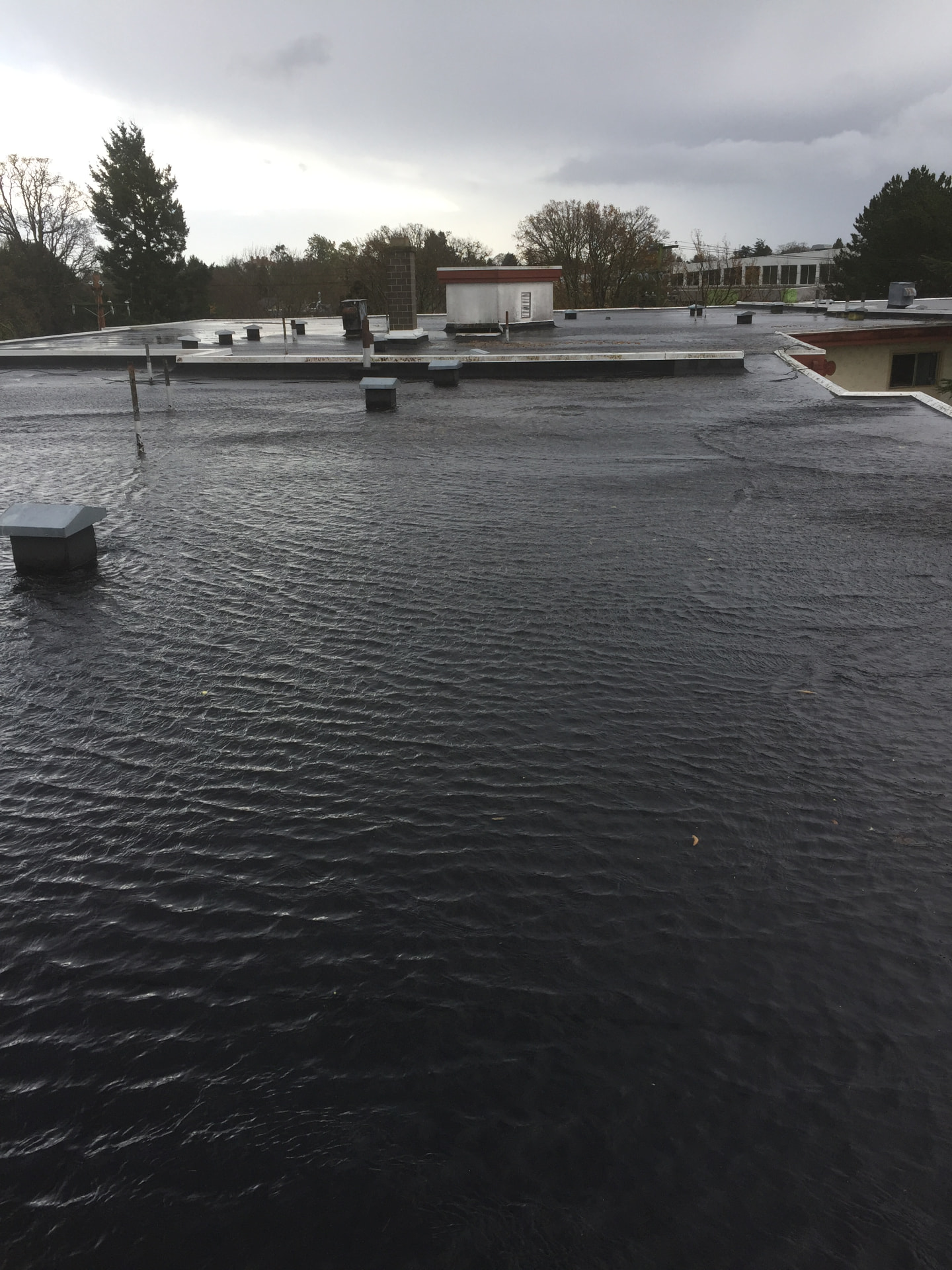
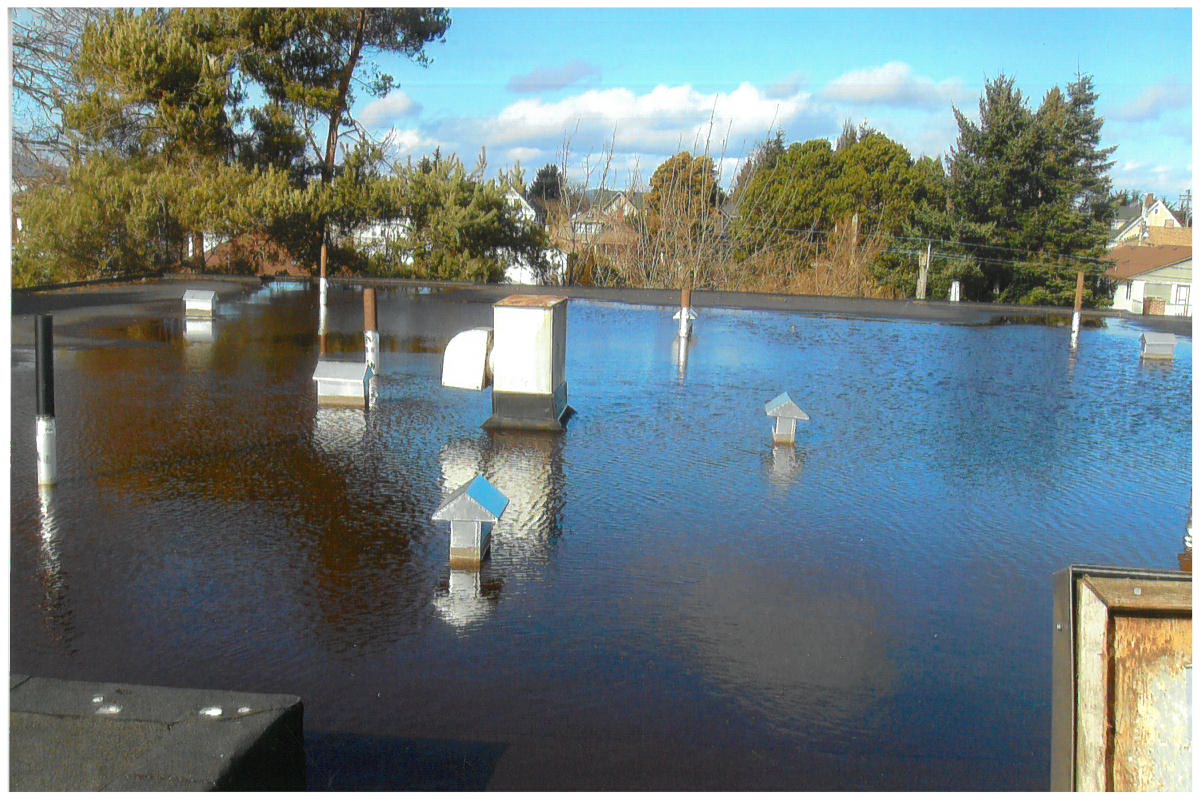
Extreme rainfalls now exceed the hydraulic capacity of many older roof drain assemblies, leading to rapid ponding and structural loading.
Older designs
Most existing roofs were engineered for historic weather patterns that no longer match today's rainfall intensity or frequency.
Foreseeable risk
The consequences can range from minor leakage to serious water damage, and in some cases structural failure if water becomes trapped. These outcomes are increasingly predictable, and manageable.
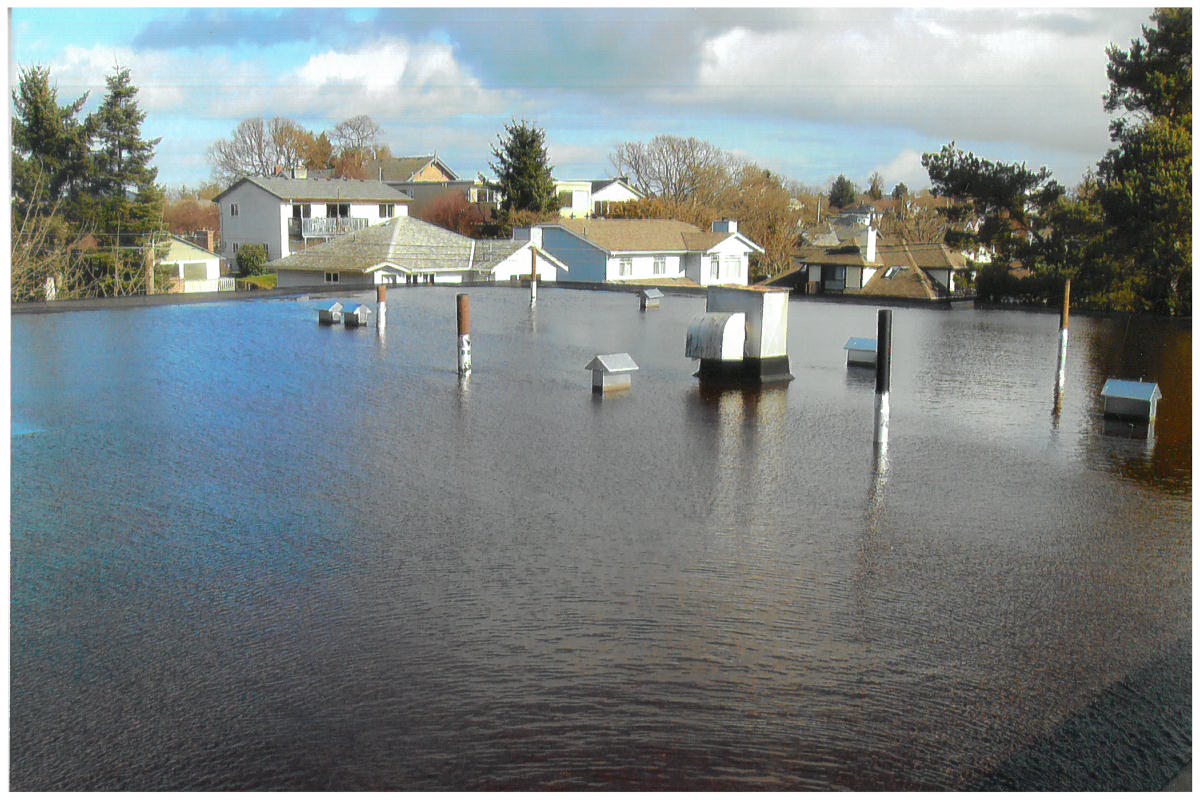
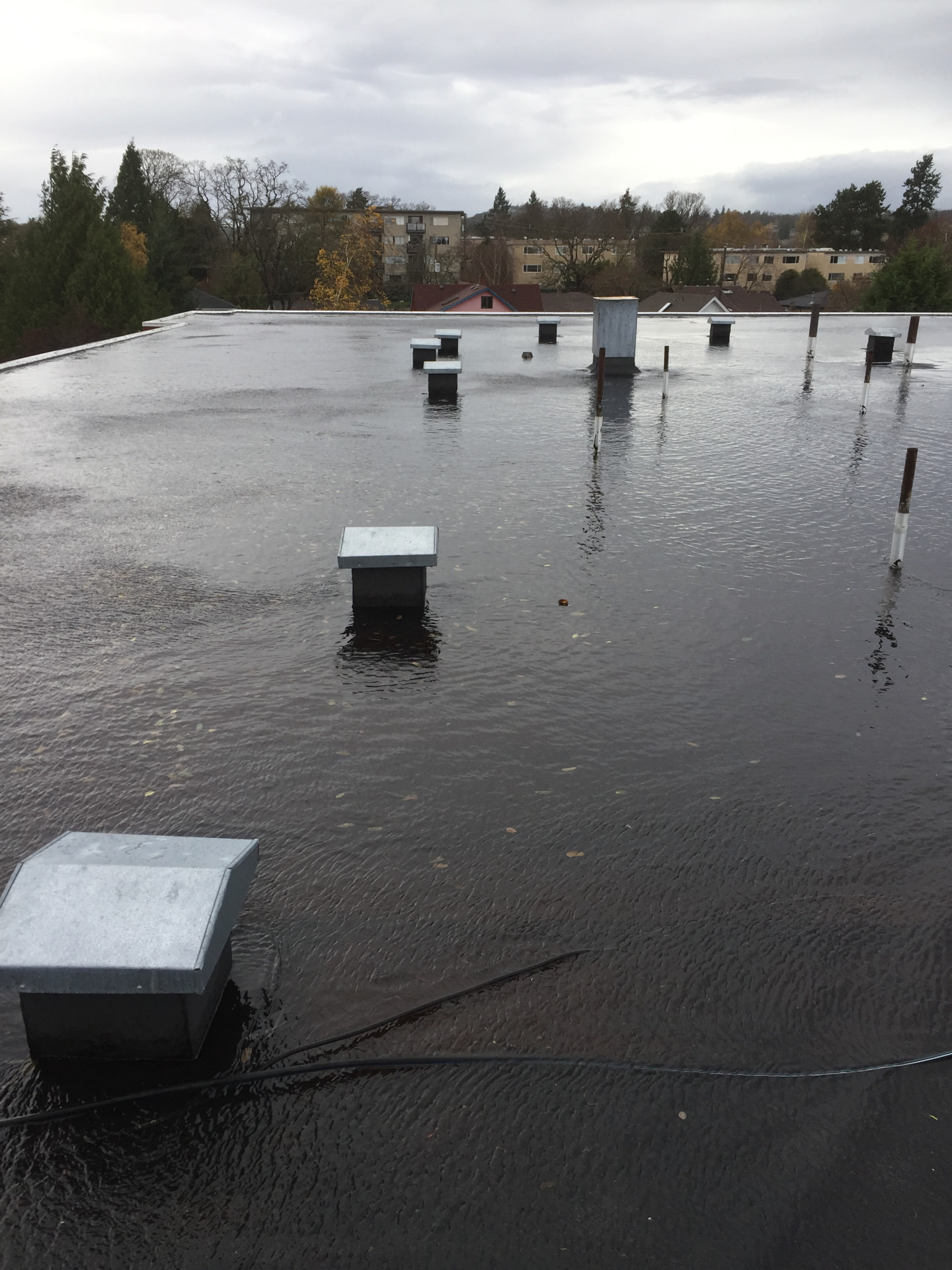
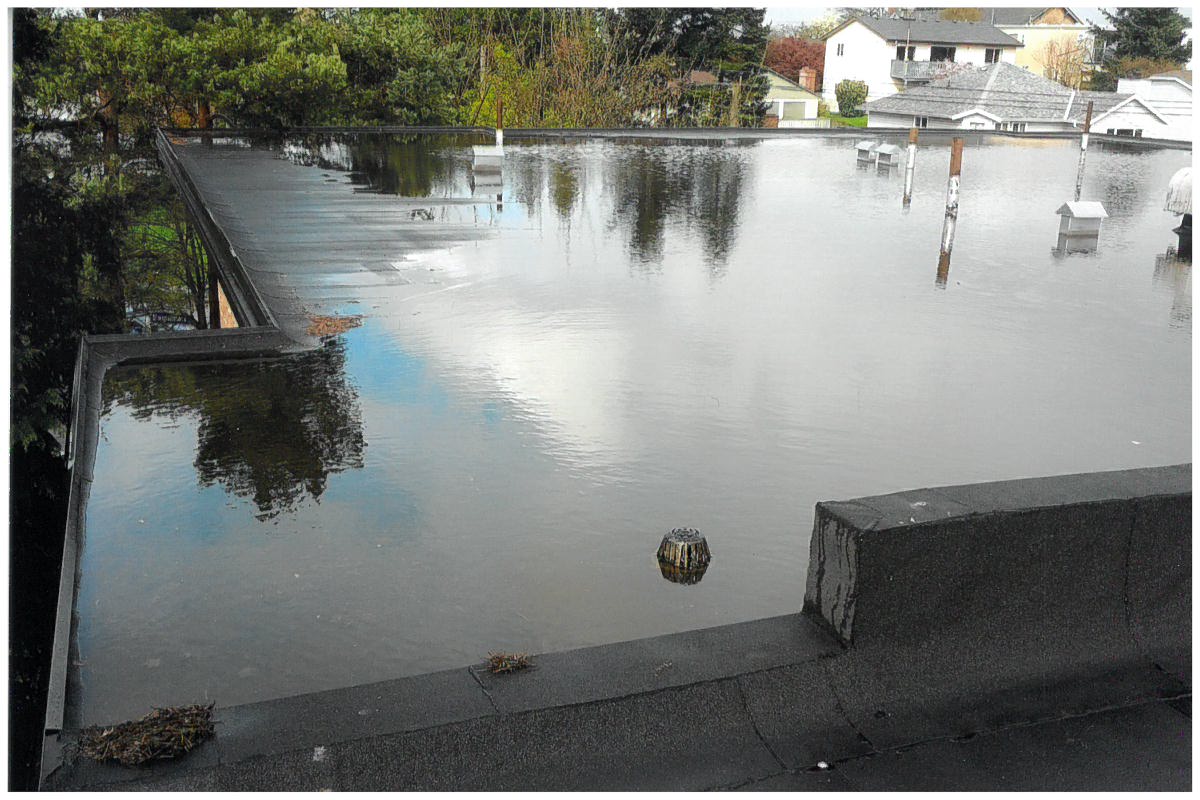
The Bathtub Effect
Occurs when entrapped water cannot escape.
The risk is not how much rain falls, but what happens when rainfall arrives faster than the roof and its drainage can clear it. Blockage, debris, or a downstream restriction can turn a short, intense storm into standing water.
Climate change is increasing the importance of planning for these short-duration, high-intensity rainfall events. A roof that has performed adequately for decades may face conditions it was never designed to manage.
What We Deliver
Climate Resilience Roof Assessments
This is not a routine maintenance walkthrough or an engineering study.
It is a focused field review of existing low-slope roof conditions that may affect how the roof responds to more intense rainfall.
- Drainage layout and emergency overflow review
- Identification of ponding, single-drain and debris-related risks
- Access and maintainability constraints
- Photographic documentation and clear written findings
The scope and deliverables are confirmed upon inquiry.
Next Step
Adaptation starts with knowing where the risk actually sits.
Discuss a single building, a full portfolio, or a resilience assessment.